Hepatitis A surges in Czechia, health officials urge vaccination and strict hygiene

Czech authorities have recorded a sharp rise in hepatitis A infections this year, with public health experts warning of wider outbreaks amid increased travel and low immunity in the population.
By late March, 320 cases of viral hepatitis A had been reported in Czechia, continuing a worrying trend that began last year, when 636 people were infected and two died.
The disease, often called infectious jaundice or the “dirty hands disease,” spreads primarily through poor hygiene and contaminated food or water. Czech public health officials are urging both vaccination and strict hygiene measures to curb the spread.
“320 cases in the first quarter of this year show that last year’s rapidly increasing trend has not stopped,” said Renata Ciupek from the South Moravian Regional Public Health Authority in a press statement. “With the upcoming travel season, especially for holidays, infection hotspots will present a higher risk of further spread,” she added.
In past decades, Czechia has generally seen a reduction in rates of hepatitis A thanks to improved sanitation infrastructure. However, experts warn that declining natural immunity and low vaccination rates have again made large parts of the population vulnerable.
“The declining incidence, combined with the absence of routine vaccination, has resulted in a growing number of people without protective antibodies who are highly susceptible to infection. This mainly concerns children and young adults,” said Kateřina Fabiánová, Deputy Head of the Department of Epidemiology of Infectious Diseases at the Czech National Institute of Public Health.
Authorities urge vaccination
According to the European Centre for Disease Prevention and Control (ECDC), hepatitis A outbreaks are currently being reported in multiple countries, not only in Europe. The disease is more common in regions with poor sanitation and often spreads through contaminated drinking water or food washed in unsafe water.
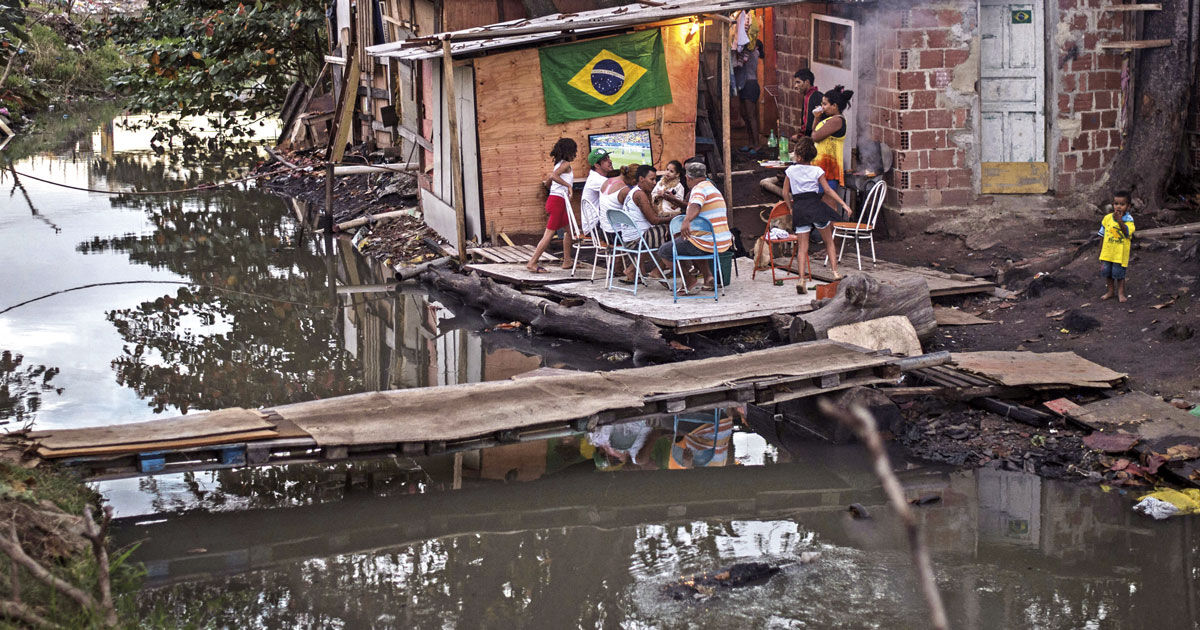
In Czechia, outbreaks tend to affect children, marginalised communities, and people living in poor conditions such as hostels or homeless shelters. Local health officials warn that foreign travel, especially to exotic destinations, significantly increases the risk of infection.
“The best preventive measure is vaccination, ideally in childhood, as full vaccination offers long-term protection,” the country’s Chief Public Health Officer, Barbora Macková, said in a press statement.
“[Immunisation] is particularly recommended for people at higher risk of hepatitis A due to their occupation, travellers to high-risk areas, people with chronic liver conditions, close contacts of infected individuals, and people engaging in high-risk behaviours that facilitate virus transmission,” she added.
Safe and effective vaccines are available in Czechia for both children over one year old and adults, but they are not covered by the state except for certain professions, such as emergency responders.
The cost of vaccination is up to 2,000 CZK (€80), though some health insurance providers offer partial reimbursement.
Public health campaigns also emphasise the importance of basic hygiene – particularly when travelling.
[Edited by Vasiliki Angouridi, Brian Maguire]
link