Cholera – Symptoms, Causes, Treatments

Cholera is an acute bacterial illness caused by infection of the intestinal tract with the bacterium
Vibrio cholerae. Cholera may produce severe gastrointestinal symptoms, including profuse, watery diarrhea, as well as vomiting and dehydration.
Cholera is typically transmitted through water or foods that have been contaminated with fecal matter from a person who is infected with the disease. Cholera can spread rapidly, and epidemics may occur after fecal contamination of food or water supplies, but the infection is not transmitted by casual person-to-person contact. Most infections caused by current prevalent strains of the bacterium are asymptomatic and clear spontaneously. Clinical symptoms emerge in approximately 1 in 30
Vibrio cholerae infections.
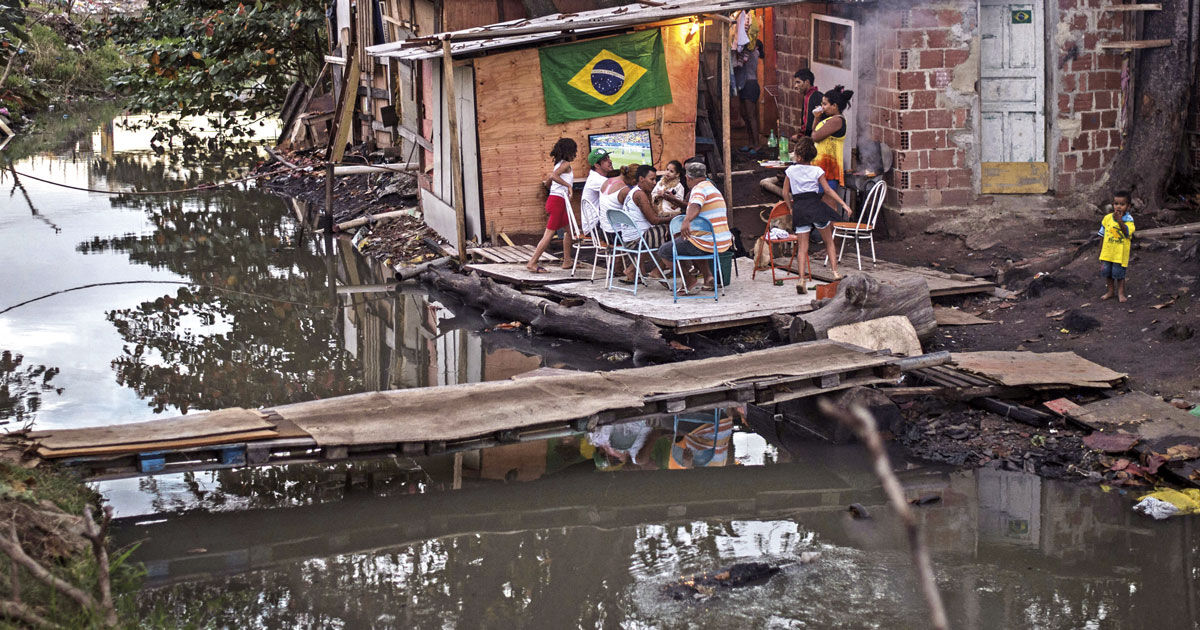
Cholera is extremely rare in countries that have modern water and sewage treatment facilities. In fact, only about five cases of cholera are reported in the United States every year. Occasionally, scattered outbreaks have occurred in the United States, resulting from consumption of raw or undercooked shellfish from the Gulf of Mexico. However, cholera is a major cause of illness in the developing world, with approximately three to five million cases occurring worldwide each year. Most reported cases of cholera are in Africa. Travelers to affected countries should be cautious about food and water choices (Source:
Trusted Source
Centers for Disease Control and Prevention (CDC)
Governmental authority
Go to source
).
Symptoms of cholera typically appear 24 to 48 hours after infection, but can appear anywhere from a few hours to five days after infection. Most patients have only very mild symptoms, or no symptoms at all. Only five percent of infected individuals develop severe symptoms. Fortunately, fluid replacement and antibiotic therapy are effective treatments for cholera infection and can prevent serious complications.
Left untreated, cholera can lead to potentially life-threatening complications. Severe dehydration and electrolyte imbalances can occur, resulting in shock, coma, and even death within a few hours.
Seek prompt medical care if you develop diarrhea and vomiting or you think you may have been exposed to cholera.
Seek immediate medical care (call 911) if you have symptoms of severe dehydration, such as confusion, lethargy, loss of consciousness, cold skin, sunken eyes, weak pulse, or reduced urine production.
link