South Korea launches national injury prevention plan

28,000 died from injuries in 2023, with suicides accounting for more than half
South Korea on Wednesday unveiled a plan to curb injuries from accidents, falls and poisonings, which remain the fourth-leading cause of death and the top driver of hospital admissions in Korea.
The five-year plan, approved by the Korea Disease Control and Prevention Agency, promotes a full-cycle approach of prevention, response and recovery.
The plan is the first drawn up under the new Injury Prevention and Control Act, which came into effect in January. It lays out goals and 16 key tasks across five strategies, including stronger data collection, life-cycle prevention programs, and improved emergency response and rehabilitation.
Under the plan, the government aims to reduce the national injury death rate to 38 per 100,000 people by 2030, down from 54.4 in 2023 — effectively cutting the rate to 70 percent of its current level.
An injury, according to the Korean law, is a physical or mental health problem caused by an external factor, such as an accident, disaster or poisoning, distinguishing it from a disease.
Injuries are South Korea’s fourth leading cause of death after cancer, heart disease and pneumonia and the No. 1 cause of hospitalization.
In 2023 alone, 28,000 people died from injuries, with suicide accounting for more than half of those deaths, followed by traffic accidents and falls. Among Koreans aged under 45 years old, injuries were the top cause of death.
Hospitals treated 1.23 million injury-related admissions last year — 51.6 percent from falls and slips — giving Korea the highest injury-related hospitalization rate in the OECD.
While mortality among severe trauma patients is declining, disability rates have climbed from 62.8 percent in 2016 to 73.8 percent in 2023.
Medical costs from injuries also reached 6.6 trillion won ($4.7 billion) in 2024, nearly double the level a decade ago. The social cost is enormous as well, with injuries accounting for 21 trillion won in annual economic losses, the highest among all disease categories, according to KDCA.
To reach the 2030 target, authorities will tighten management of the country’s most serious injury risks, such as suicide, road traffic accidents and falls, and will expand its nationwide injury surveillance network to monitor for new hazards.
Suicide prevention will include proactive management of high-risk areas, wider installation of carbon-monoxide detectors in lodging facilities, and stronger monitoring of the illegal distribution of chemicals often used in suicide attempts.
Traffic safety measures call for pedestrian-focused street redesigns, including wider sidewalks and speed-control devices in areas with a high elderly resident rate. Fall prevention for seniors will involve new screening programs to identify people with low bone density or muscle mass and customized prevention programs based on living environments.
For infants and toddlers, the government will distribute detailed guidelines for caregivers and day care staff to prevent accidents such as exposure to household chemicals and choking.
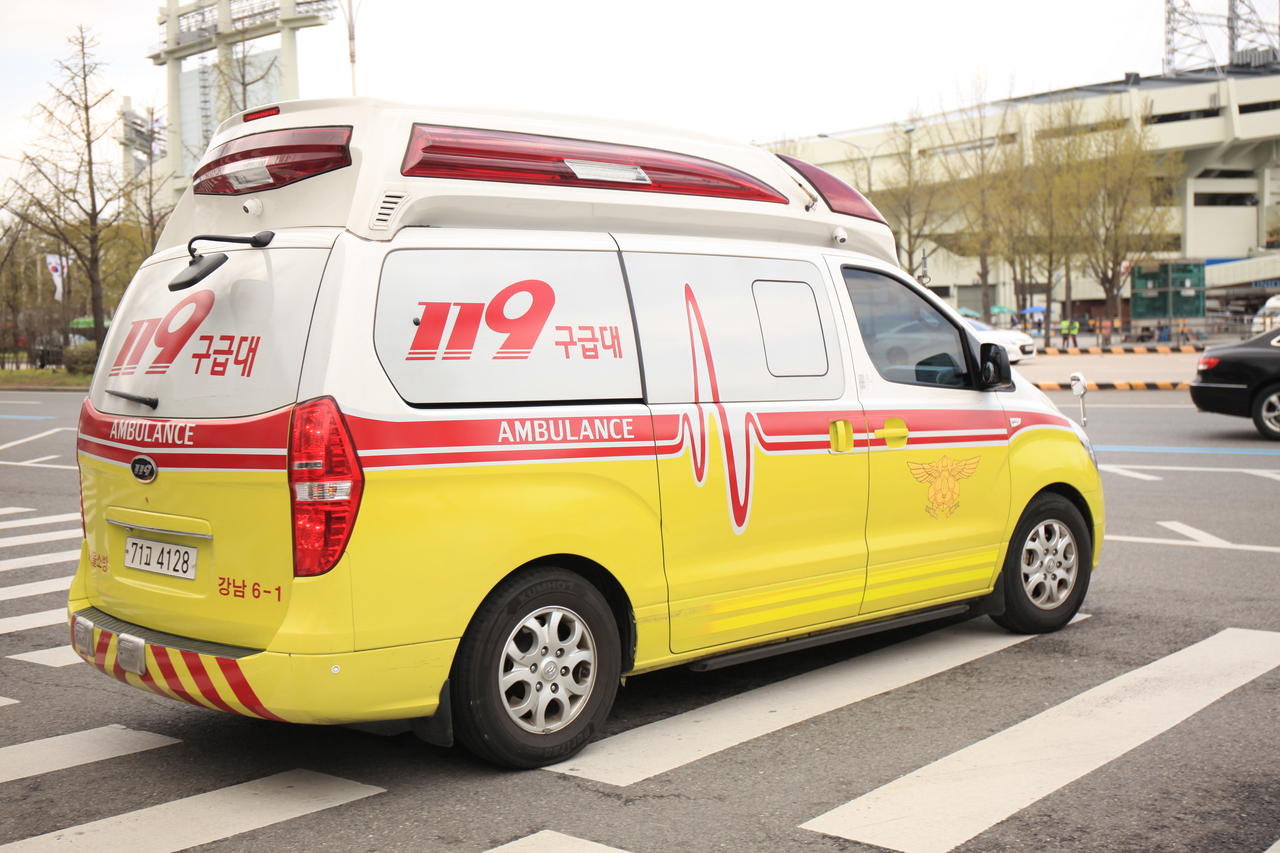
The government will also aim to improve survival rates by strengthening on-site first aid and emergency transport systems. For recovery, the plan calls for expanding rehabilitation hospitals and psychological support programs to limit long-term disabilities among injury patients.
KDCA Commissioner Lim Seung-kwan said injuries were “preventable health problems,” pledging close cooperation with 14 ministries and local governments to create a seamless national system covering prevention, rapid response and long-term care.
The government plans to finalize detailed implementation measures by the end of 2025, with both central and provincial action plans to follow in 2026.
link