Environmental Health and Safety
|
Winter ReadinessAs the winter season settles in here at Northwestern, the shift in weather requires a shift in our daily operational mindset. While our Facilities teams work tirelessly to clear paths and maintain buildings, individual preparedness is the key to a safe season. Whether you are working onsite or managing a hybrid schedule, here is what you need to know. |
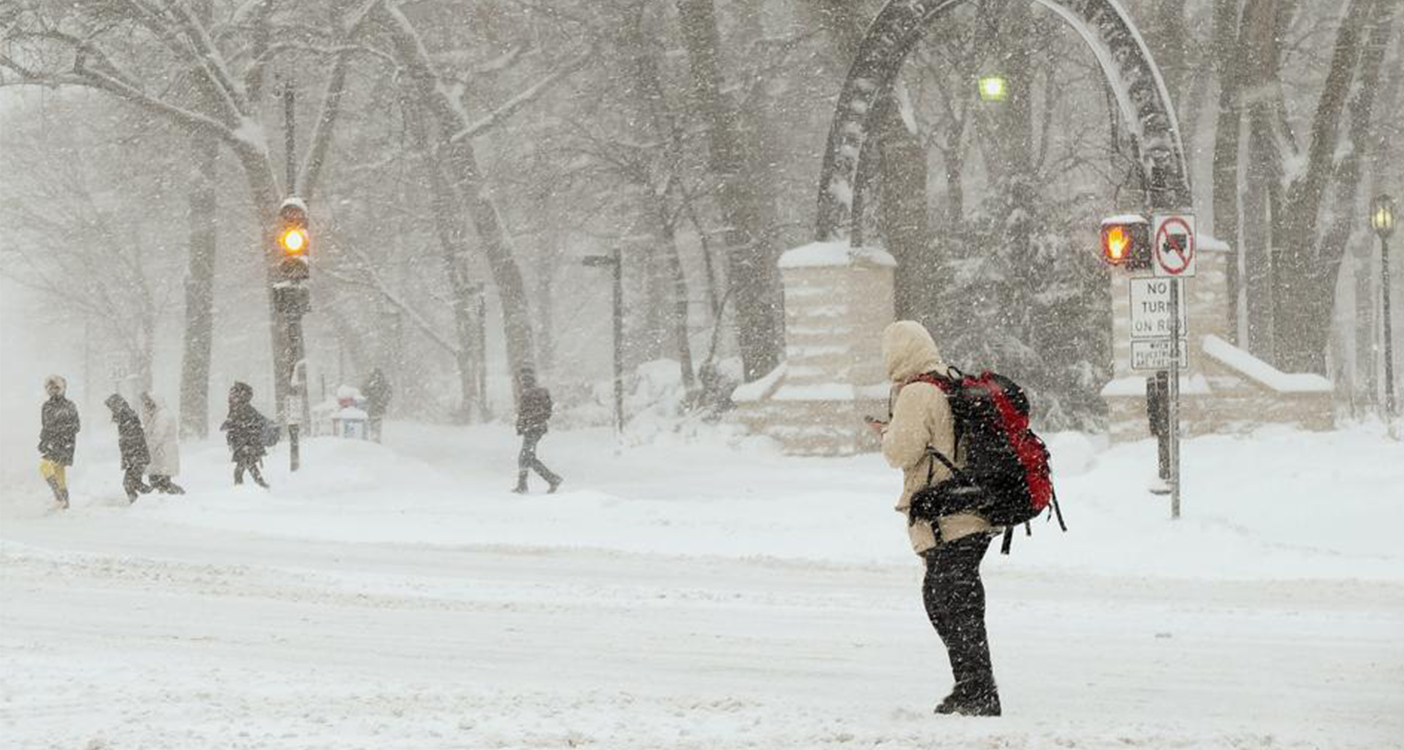
The ‘penguin walk’Slips, trips, and falls are the primary sources of workplace injuries. The U.S. Bureau of Labor Statistics (BLS) reports more than 20,000 people suffer snow- or ice-related injuries annually. Whether you are walking from the parking lot to your office, moving between campus buildings, or performing essential outdoor work, adopt the penguin walk to maintain stability:
It is important to wear proper waterproof footwear with good traction and insulation while outside in the cold. |
 |
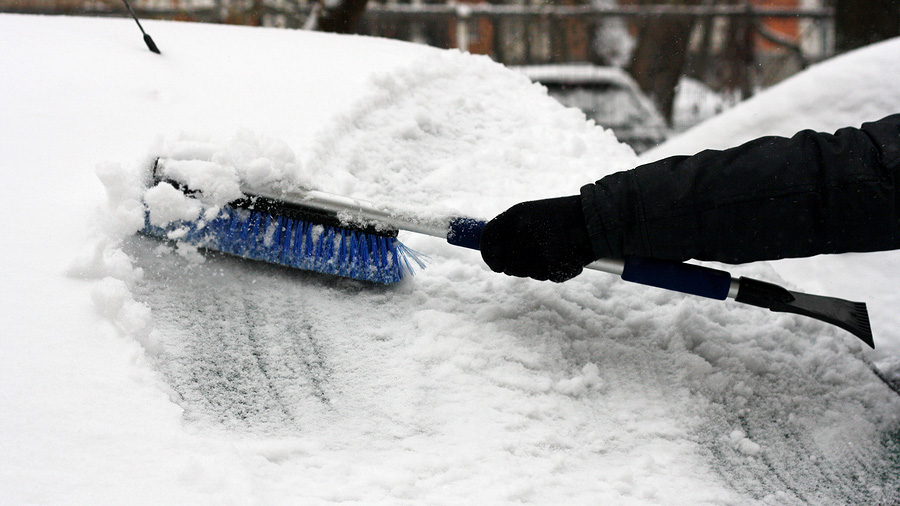
Winter driving essentialsRoad hazards increase significantly during the winter due to ice, snow, and reduced visibility. According to the U.S. Department of Transportation, 24% of weather-related vehicle crashes occur, and more than 116,800 people are injured annually in these conditions. From Facilities trucks to Intercampus shuttles, the University relies on a vast fleet to keep operations moving. Whether you are driving a University vehicle across campus or commuting in your personal car, keep these essential safety tips in mind to ensure safe driving.
|
 |
Did you know?You may have heard that you lose about half of your body heat through your head. Safety data confirms that 40% of the body’s heat can be lost when your head is exposed. A hat remains your most efficient tool for heat retention. However, do not neglect other areas. In cold temperatures, your body constricts blood vessels to protect your vital organs, making extremities like fingers and toes more vulnerable to frostbite. |
The science of cold stressA cold work environment forces the body to work harder to maintain its core temperature of 98.6°F. It’s important to check the local forecast regularly so you know what conditions to expect. If your work is outdoors, it is vital to recognize the three major cold injuries.
To prevent cold stress injuries from occurring, wear several layers of clothing for insulation, keep an extra pair of socks available to stay dry, remain hydrated by drinking plenty of warm beverages, and take frequent breaks in warm, dry areas when working outdoors. |
TrainingIf your job requires working in cold environments, ensure you are up-to-date on your annual Cold Stress in the Workplace training in myHR Learn. |
link